Top Picks
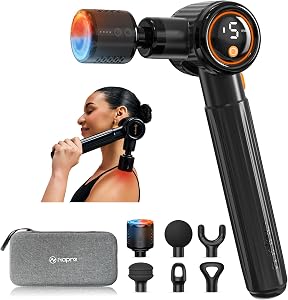
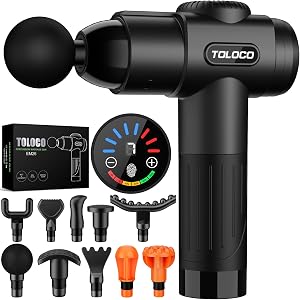
The Big Three Specifications That Truly Matter
Before we dive deep, let's establish the holy trinity of massage gun performance:
| Specification | What It Measures | Why It Matters |
|---|
Why These Three Numbers Decide Everything
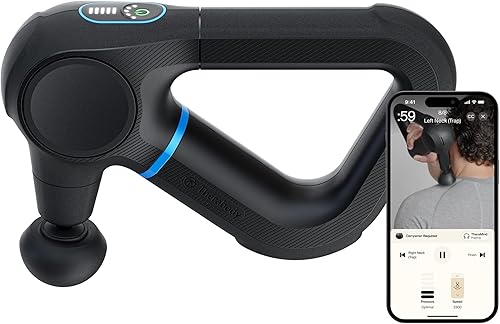
Walk into any fitness store or scroll through Amazon, and you'll be bombarded with massage guns boasting wildly different specs. 2000 RPM! 16mm amplitude! 80 lbs of ! But what do these numbers actually mean for your sore muscles?
Here's the truth most brands won't tell you: the marketing hype is real, but the specs that matter are often misunderstood. By the end of this guide, you'll read massage gun specifications like a physical therapist — and know exactly which device will crush your recovery goals.
> "A massage gun is only as good as the science behind its specs. Numbers don't lie — but marketing copy sometimes bends the truth."
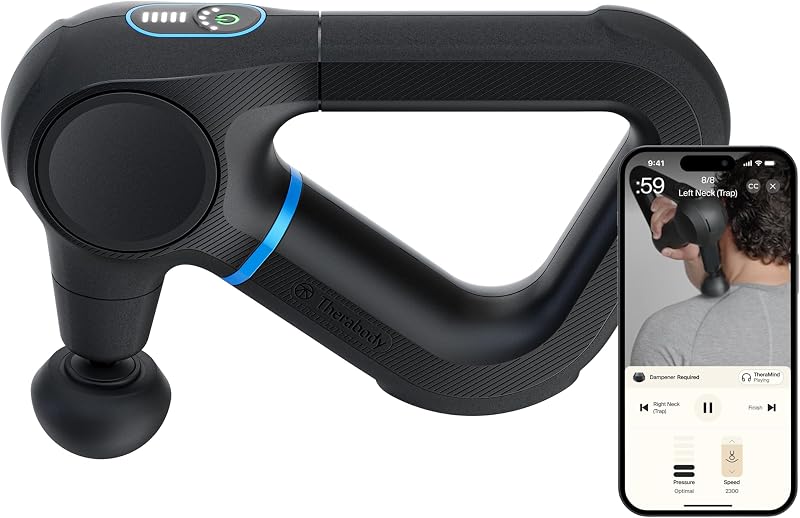
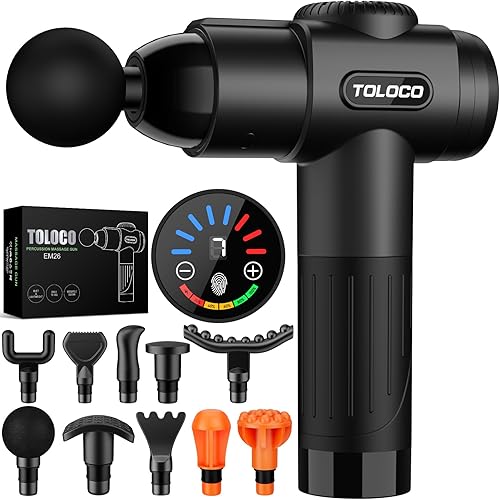
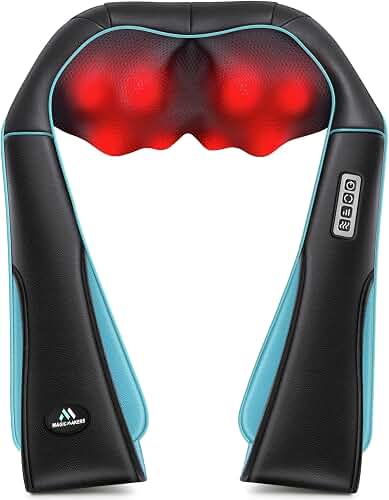
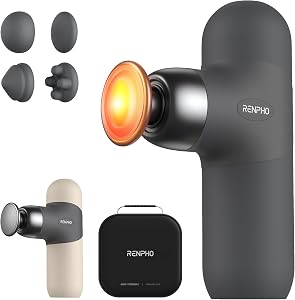
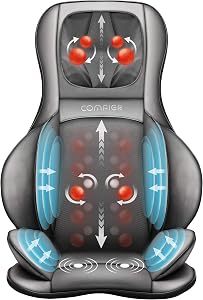
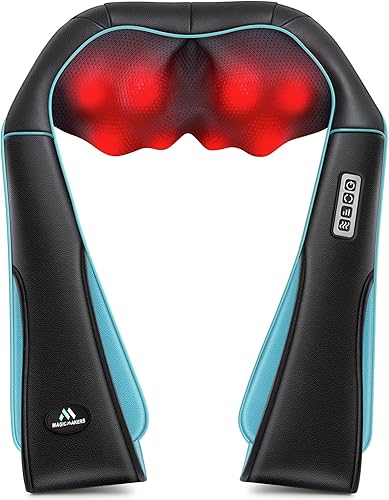
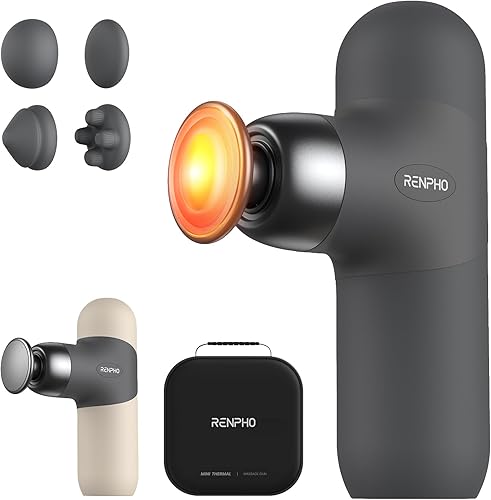
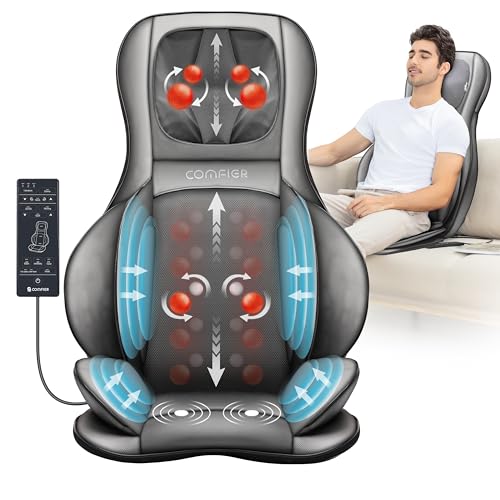
Featured recommendations from our review database — direct Amazon links below.
| Amplitude | Distance head travels | Muscle reach & depth |
|---|---|---|
| Percussions (RPM) | Speed of strokes per minute | Relaxation vs. activation |
1.
. Think of it as the device's muscle.
The
- Under 30 lbs — Entry-level. Fine for light tension and beginners, but the motor will .
- 30–50 lbs — Mid-range. Suitable for casual athletes and general recovery.
- 50–60 lbs — Professional grade. Handles deep tissue work without flinching.
- 60+ lbs — Elite tier. The standard for chiropractors, PTs, and serious athletes.
2. Amplitude: The Most Underrated Spec
If , amplitude is the reach. Amplitude measures how far the massage head travels back and forth with each stroke — usually between 10mm and 16mm.
This tiny number has a massive impact on effectiveness.
Why Amplitude Changes Everything
- 10–12mm — Surface-level vibration. Great for warm-ups and sensitive areas.
- 12–14mm — Mid-depth percussion. Solid for most users.
- 14–16mm — Deep tissue territory. Reaches muscle bellies, fascia, and trigger points that shorter amplitudes simply cannot touch.
Watch: Amplitude Explained Visually
3. Percussions Per Minute: Speed Isn't Everything
Here's where marketing gets sneaky. Brands love to flash "3200 PPM!" on the box — but more isn't always better.
The PPM Range Breakdown
- 1200–1800 PPM — Slow, deep, relaxing. Ideal for cool-downs and chronic tension.
- 1800–2400 PPM — The sweet spot for general recovery.
- 2400–3200 PPM — High-frequency activation. Best for pre-workout warmups and waking up muscles.
- 3200+ PPM — Diminishing returns. Often used to mask weak amplitude.
Quick Stats: What the Pros Actually Use
16mm — Amplitude found in elite-tier professional massage guns
60 lbs — Minimum
1750–2400 — The optimal PPM range for muscle recovery
2 hours — Battery life you should demand from any quality device
Bonus Specs Worth Considering
While the big three reign supreme, don't ignore these:
- Noise Level — Anything under 55 dB is considered quiet. Above 65 dB and your roommates will hate you.
- Battery Life — Look for 2+ hours of continuous use.
- Weight — Under 2.5 lbs is ideal for arm fatigue.
- Speed Settings — At least 3–5 levels for versatility.
- Attachments — Look for ball, fork, bullet, and flat heads minimum.
The Ultimate Buying Framework
Use this decision matrix to find your perfect match:
If You're a Casual User:
- - Amplitude: 10–12mm
- PPM: 1800–2400
If You're an Athlete:
- - Amplitude: 14–16mm
- PPM: 1750–2800
If You're a Professional:
- - Amplitude: 16mm
- PPM: Variable, with low-end settings
Deep Dive: Choosing the Right Massage Gun
Key Takeaways
- Amplitude is the single most important spec for true percussion therapy
- PPM matters, but more isn't always better — context is everything
- Always evaluate all three specs together, never in isolation
- Don't be fooled by marketing — a 3200 PPM device with 10mm amplitude underperforms a 2000 PPM device with 16mm amplitude
Final Thoughts: Buy Once, Recover Forever
A quality massage gun is an investment in your body. Skimp on specifications, and you'll be replacing a useless device in six months. Invest wisely, and you'll have a recovery tool that serves you for years.
> Remember: The best massage gun isn't the one with the loudest marketing — it's the one whose specs align with your actual recovery needs.
Now go forth, decode those product pages, and pick the perfect percussion partner for your muscles. They'll thank you tomorrow morning.
Related Reviews
- How to Choose a Massage Gun: Complete Buyer's Guide for 2026
- Massage Gun Budget Guide: How Much Should You Spend in 2026?
- Common Massage Gun Buying Mistakes to Avoid: What Shoppers Get Wrong
- How Often Should You Use a Massage Gun? Frequency Guide
- How to Choose the Right Massage Gun Attachment: A Complete Guide
Key Takeaways
- Choosing the right massage gun specifications explained means matching the key features to your specific needs and budget
- Read real customer reviews and check the return policy before you commit
- Also covers: massage gun stall force
- Also covers: percussion amplitude meaning
- Also covers: massage gun PPM explained
- Compare value across models — the priciest option is not always the best fit
