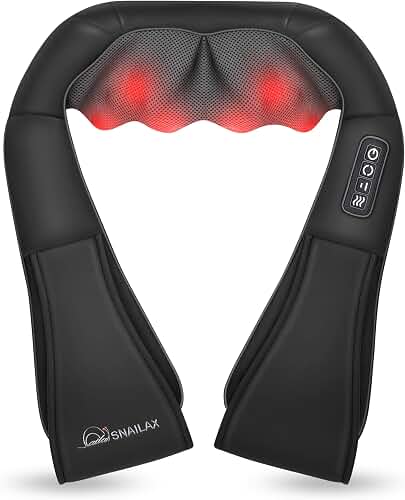
Top Picks
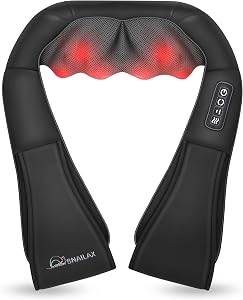
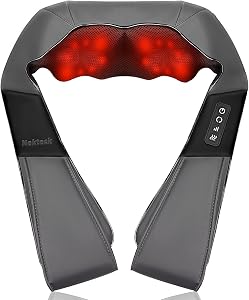
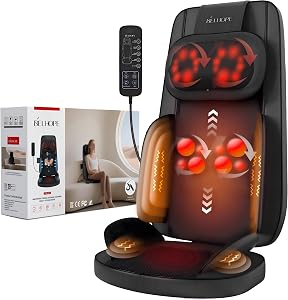
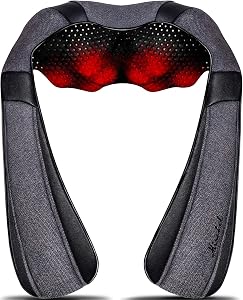
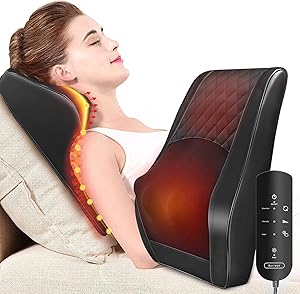
Mistake #2: Chasing the Cheapest Price on Amazon
We get it. There's a $39 massage gun with 4.5 stars and 12,000 reviews. It looks identical to the $300 brand-name version. Why pay more?
Because the inside is what you're really buying.
| What You See | What You Actually Get |
|---|---|
| "Quiet brushless motor" | Loud brushed motor that dies in 4 months |
| "Professional-grade" | 6mm amplitude (basically a vibrating toy) |
| "30 speeds" | Marketing fluff — you'll use 3 of them |
| "Long battery life" | Underpowered battery that fades fast |
The Truth Nobody Tells You Before You Click "Buy Now"
You've felt it. That deep, nagging knot between your shoulder blades. The tight calves after leg day. The relentless stiffness that no amount of stretching seems to fix. So you do what millions of people are doing right now — you start shopping for a massage gun.
And that's exactly where things start to go sideways.
> The hard truth: Studies of online reviews suggest that nearly 1 in 3 massage gun buyers regret their first purchase — usually within 60 days. Don't be that person.
This guide is the friend-in-the-know conversation you wish you'd had before dropping $200, $400, or even $600 on the wrong device. Let's make sure your next click is the right one.
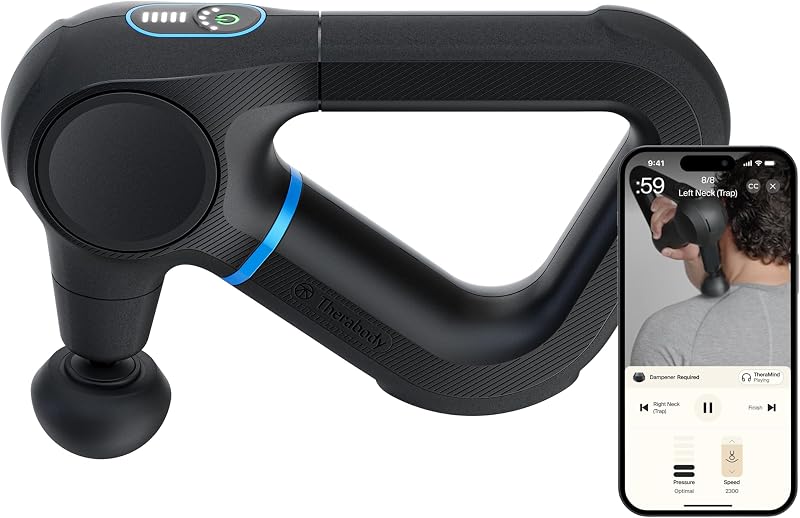
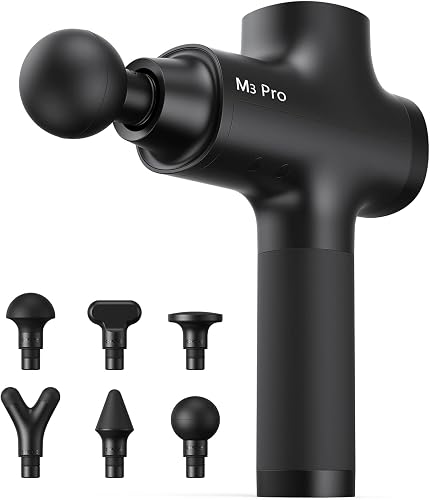
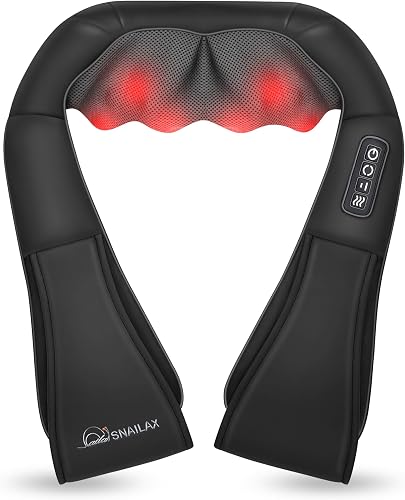
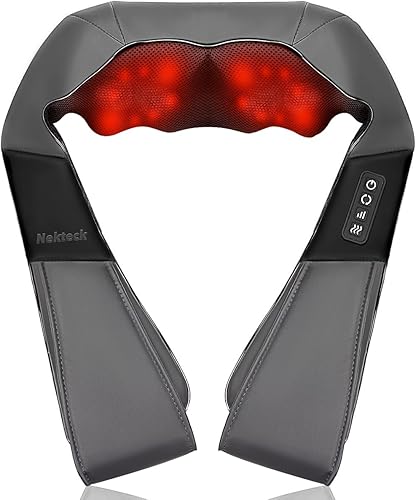
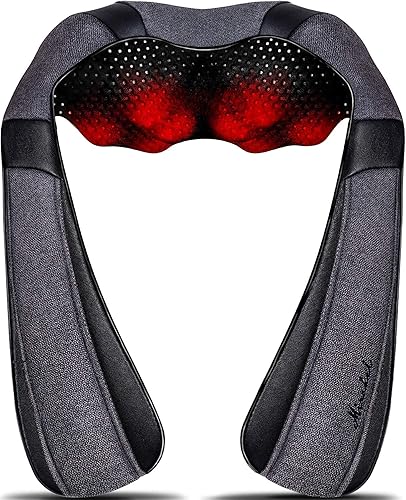
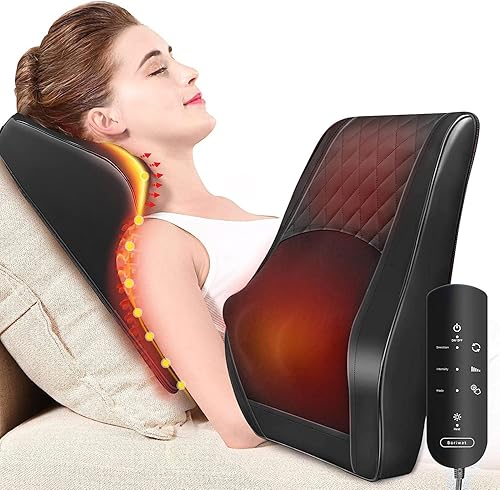
Featured recommendations from our review database — direct Amazon links below.
Mistake #1: Falling for the "Higher RPM = Better Massage" Myth
Walk into any massage gun comparison and you'll see brands flaunting numbers like 3,200 RPM or 3,600 percussions per minute. Sounds impressive, right?
Here's what they're not telling you: speed without amplitude is just vibration.
What Actually Matters
- Amplitude (stroke depth) — The distance the head travels with each punch. 10mm is entry-level. 12–16mm is where real percussive therapy lives.
- . Look for 40+ lbs for serious deep-tissue work.
- Torque consistency — A gun that slows down the moment you press into a muscle is useless for athletes.
Watch This Before You Buy Anything
Before we go deeper, here's a no-nonsense breakdown that will save you hours of research:
!youtube[Massage Gun Buying Guide: What to Look For](Jl-rT_Z2bZk)
The real cost of cheap: You'll buy two or three of them before realizing you should have invested in one quality device.
Mistake #3: Ignoring Noise Levels (Until It's Too Late)
Picture this: It's 6 AM. You want to use your massage gun before work. Your partner is still sleeping. You turn it on and it sounds like a leaf blower with a grudge.
Noise matters more than buyers think.
The Noise Sweet Spot
- Under 45 dB — Whisper-quiet. Premium territory.
- 45–55 dB — Acceptable. Conversation-friendly.
- 55–65 dB — Loud. You'll annoy everyone within earshot.
- 65+ dB — Power tool category. Hard pass.
Mistake #4: Buying for Features You'll Never Use
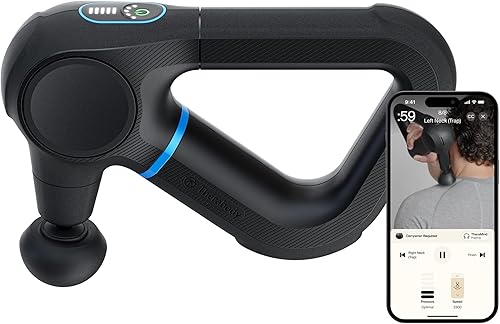
That massage gun with the Bluetooth app, AI-guided routines, and heated head? Cool on paper. Almost never used in real life.
What You'll Actually Use Daily
- 2–3 speed settings (low, medium, the-knot-must-die)
- The ball head attachment (for 80% of use cases)
- A simple battery indicator
- A comfortable grip
> Pro Insight: The best massage gun is the one you'll actually pick up and use 4–5 times a week — not the one with the longest spec sheet.
Mistake #5: Skipping the Ergonomics Test
A 2.5 lb massage gun feels light in the store. Try holding it overhead, reaching for your own upper back, for 90 seconds. Suddenly it weighs as much as a brick.
Quick Ergonomics Checklist
- Weight under 2.5 lbs for self-use
- Multi-grip or rotating handle for hard-to-reach spots
- Balanced design — not front-heavy
- Textured, non-slip grip that won't slide when your hands sweat
Mistake #6: Forgetting About Attachments (and Their Quality)
A gun with 20 plastic attachments isn't better than one with 4 well-engineered ones. Look for:
- Dense foam ball — All-purpose, gentle, the daily driver
- Bullet/cone head — Precision trigger point work
- Flat head — Larger muscle groups like quads and chest
- Fork head — Spine-adjacent muscles and Achilles
See These Mistakes in Real-World Use
Watching someone actually demonstrate good vs. bad technique with different massage guns will instantly change how you shop:
!youtube[Massage Gun Mistakes Most People Make](xQ8AjbBcZv4)
Mistake #7: Trusting Influencer Reviews Without Question
That fitness creator who loves their new massage gun? Check the description. Nine times out of ten, there's an affiliate link, a discount code, or a sponsored partnership.
How to Spot Trustworthy Reviews
- Look for side-by-side comparisons with competing brands
- Prioritize reviews that mention drawbacks, not just praise
- Check long-term reviews (3+ months of use)
- Search Reddit and forums — people are brutally honest there
Mistake #8: Not Thinking About Warranty and Support
A massage gun is a mechanical device with a motor. It will eventually wear out, malfunction, or need a replacement battery.
What to Demand Before You Buy
- Minimum 1-year warranty (2 years is the gold standard)
- Responsive customer service — test it with a pre-sale question
- Replacement parts available (batteries, attachments, chargers)
- Clear return policy — at least 30 days, no restocking fees
The Smart Buyer's Final Checklist
Before you check out, run through this:
- [ ] Amplitude is 12mm or higher
- [ ]
- [ ] Noise level under 55 dB
- [ ] Weight under 2.5 lbs
- [ ] At least 4 quality attachments
- [ ] 1+ year warranty
- [ ] Brand has a verifiable physical address and support line
- [ ] You've read at least 3 critical (not just 5-star) reviews
The Bottom Line
A great massage gun isn't an accessory — it's a daily recovery partner that should last you years. Skip the hype, ignore the influencer noise, and focus on what actually matters: amplitude, , ergonomics, and brand reliability.
Buy once. Recover better. Move freer.
> Final word: The most expensive massage gun is the cheap one you have to replace three times. Invest in your body the way it deserves.
Related Reviews
- How to Choose a Massage Gun: Complete Buyer's Guide for 2026
- Massage Gun Budget Guide: How Much Should You Spend in 2026?
- Massage Gun Specifications Guide: Stall Force, Amplitude, and Percussions Explained
- How Often Should You Use a Massage Gun? Frequency Guide
- How to Choose the Right Massage Gun Attachment: A Complete Guide
Key Takeaways
- Choosing the right massage gun buying mistakes means matching the key features to your specific needs and budget
- Read real customer reviews and check the return policy before you commit
- Also covers: mistakes when buying a massage gun
- Also covers: massage gun shopping tips
- Also covers: what not to buy massage gun
- Compare value across models — the priciest option is not always the best fit
